Learn how others manage their Psoriasis.
Get tips for diet, exercise, and managing stress
Goodbye Dandruff: Discover How Dermabon Treats Seborrheic Dermatitis on the Scalp
By Ana Cristina Vazquez Martinez
Mar/10/2026
Reading time: 6 minutes
Seborrheic dermatitis
As a Trichologist—a specialist in diseases related to the hair and scalp—I hear the same frustration every single day in my clinic. Patients sit in my chair, point to the top of their heads, and say: “I have tried every anti-dandruff shampoo on the supermarket shelf, and nothing works. My scalp is on fire, and it looks like it is snowing on my shoulders.”
When your scalp is intensely itchy, red, and shedding large, oily flakes, it takes a massive toll on your confidence. You stop wearing your favorite black sweaters, you constantly check your shoulders in the mirror, and the relentless itching makes it hard to focus.
But here is the most important thing you need to understand: what you are experiencing is likely not just “dry skin.” There is a vast biological difference between common winter dryness and severe scalp flaking. If standard shampoos are failing you, you are probably dealing with an overgrowth of yeast, requiring a targeted seborrheic dermatitis scalp treatment.
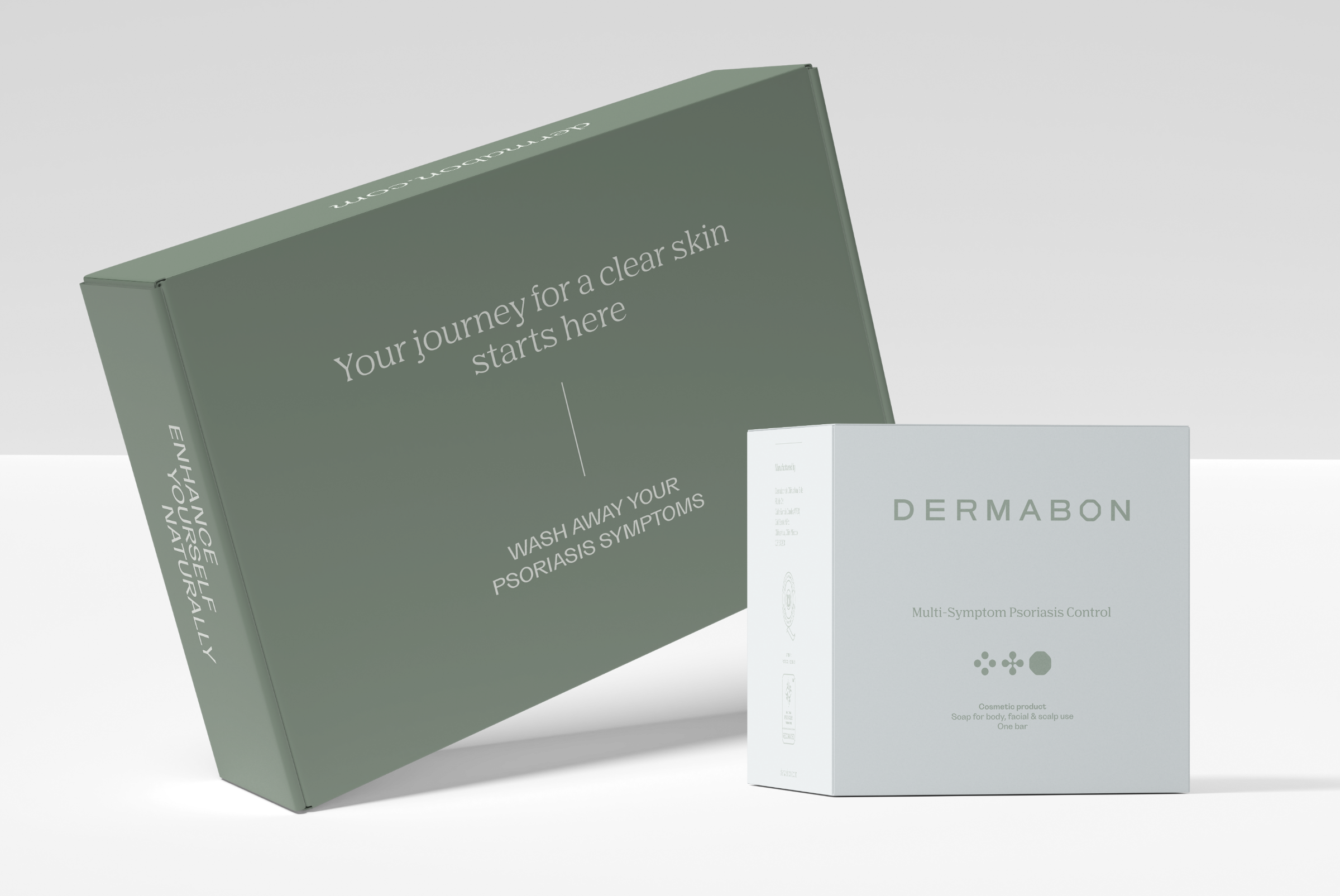
Today, we are going to dive deep into the science of your scalp. We will explore what is really causing those stubborn, painful crusts, and how the Dermabon soap bar uses specialized keratolytic action to restore your scalp’s health, allowing you to finally say goodbye to severe dandruff.
The Science of the Scalp: Malassezia vs. Common Dryness
To treat a scalp condition effectively, we must first correctly identify the enemy.
Common dry scalp happens when the skin loses too much moisture, often due to cold weather, hard water, or harsh, stripping shampoos. The flakes associated with dry scalp are usually small, white, and dry.
Seborrheic dermatitis, on the other hand, is an inflammatory condition. It is intimately linked to a naturally occurring yeast (fungus) on our skin called Malassezia. According to the Mayo Clinic’s research on the symptoms and causes of seborrheic dermatitis, this yeast feeds on the natural oils (sebum) produced by your scalp.
In some people, the immune system overreacts to this yeast. This triggers severe inflammation and a hyper-accelerated shedding of skin cells. Because these dead cells are mixed with excess sebum, they clump together. This forms the thick, yellowish, greasy crusts and plaques that tightly adhere to the hair follicles and scalp.
Standard anti-dandruff shampoos simply wash away the loose flakes on top. They do not break down the thick crusts, nor do they halt the underlying inflammatory cycle.
How Dermabon Acts as a Seborrheic Dermatitis Scalp Treatment
To effectively treat seborrheic dermatitis, you need a product that addresses both the structural buildup of dead skin and the underlying inflammation. This is where Dermabon excels.
The Keratolytic Action: Safely Lifting the Plaques
When thick plaques of dermatitis glue themselves to your scalp, scratching them off with your fingernails is the worst thing you can do. Scratching damages the hair follicle, leads to temporary hair loss, and opens the skin to bacterial infections.
Dermabon works through a process called keratolytic action.
The active ingredients in Dermabon gently break down the “glue” (the keratin and sebum mixture) holding those thick crusts together. Instead of mechanically tearing the scales off, Dermabon chemically softens and dissolves them. This allows the plaques to safely lift away from the scalp and wash down the drain, revealing the healthy, breathing skin underneath without causing trauma to your hair roots.
The Exact Washing Method for Maximum Results
Having the right treatment is only 50% of the battle; the other 50% is how you apply it. Because Dermabon is an active treatment and not a standard cosmetic shampoo, you must follow this specific protocol to unlock its keratolytic power:
- Wet Thoroughly: Start by completely saturating your hair and scalp with warm (not hot) water. Hot water exacerbates inflammation.
- Create the Lather: Rub the Dermabon bar between your wet hands to generate a rich lather.
- Target the Roots: Apply the lather directly to your scalp. Massage it gently using the pads of your fingertips—never your nails. Focus entirely on the roots and the skin; do not waste the lather by scrubbing the ends of your hair.
- The Crucial Wait (3 to 5 Minutes): This is the step most people skip, and it is the most important one. You must leave the lather on your scalp for 3 to 5 minutes. The active ingredients need this dwell time to penetrate the thick sebum and dissolve the plaques. If you wash it off immediately, you are washing your money down the drain.
- Rinse Completely: Rinse your scalp thoroughly with lukewarm water until the water runs clear.
Frequently Asked Questions
Treating the scalp often raises concerns about the cosmetic health of the hair itself. As a trichologist, I frequently answer these questions:
Will Dermabon dry out my hair, especially if it is color-treated?
Dermabon is formulated with emollient bases to be as gentle as possible, but its primary job is to treat the scalp, not to act as a cosmetic detangler. If you have color-treated or dry hair, the trick is application. Only apply the Dermabon lather directly to your scalp (the roots). The lengths and ends of your hair do not have seborrheic dermatitis, so they do not need the active treatment.
Can I use my regular conditioner after washing with Dermabon?
Absolutely, and you should! Once you have completely rinsed the Dermabon lather from your scalp, take your favorite hydrating conditioner or hair mask and apply it strictly to the mid-lengths and ends of your hair. Keep the conditioner away from your scalp to avoid feeding the Malassezia yeast with heavy cosmetic oils. This strategy gives you the best of both worlds: a pristine, healed scalp and soft, manageable hair.
Conclusion
Living with severe dandruff and seborrheic dermatitis is exhausting. It dictates how you style your hair, how frequently you wash it, and worst of all, what color clothes you are willing to wear in public.
But you do not have to accept an itchy, flaky scalp as your permanent reality. By understanding that you are dealing with an inflammatory condition that requires a proper seborrheic dermatitis scalp treatment, you can finally break the cycle.
With patience, consistency, and the powerful keratolytic action of Dermabon, you can dissolve the stubborn plaques, soothe the underlying inflammation, and restore your scalp’s natural ecosystem.
It is time to stop brushing flakes off your shoulders. It is time to reach into your closet, pull out that dark black sweater, and wear it with absolute confidence.