Learn how others manage their Psoriasis.
Get tips for diet, exercise, and managing stress
Prepare for Spring: 5 Essential Tips for Psoriasis, Sun, and Warm Weather
By Ana Cristina Vazquez Martinez
Mar/19/2026
Reading time: 6 minutes
Spring psoriasis sun care
As a Seasonal Dermatologist, my clinic undergoes a drastic shift every time the calendar turns. In the winter, I treat patients suffering from the harsh, dry air that cracks their skin and exacerbates their psoriasis plaques. But as the ice thaws and spring arrives, a whole new set of environmental challenges—and opportunities—emerges.
Spring brings warmer temperatures, increased humidity, and longer days of sunshine. For someone with a chronic skin condition, this transition can be a double-edged sword. On one hand, the heat and sweat can trigger intense itching and unexpected flare-ups. On the other hand, the increase in natural sunlight can be one of the most powerful, natural healing agents for your skin.
To navigate this seasonal shift successfully, you cannot stick to your winter skincare routine. You need to adapt. Today, I am going to walk you through spring psoriasis sun care and share my top 5 practical tips to help you manage the heat, harness the healing power of the sun, and optimize your use of Dermabon so you can confidently wear short sleeves this season.
The Seasonal Shift: How Spring Affects Your Plaques
Before we dive into the tips, we need to understand the biology of seasonal changes. When the weather warms up, your body naturally produces more sweat to regulate your temperature. Sweat is essentially water mixed with salts and trace minerals. When sweat gets trapped under thick psoriasis plaques or in the folds of your skin (inverse psoriasis), it creates a breeding ground for irritation, leading to severe, burning itchiness.
However, spring also brings ultraviolet (UV) light. Specifically, UVB rays from the sun have a profound immunosuppressive effect on the skin, slowing down the rapid reproduction of skin cells that causes psoriasis plaques.
The goal of your spring routine is to minimize the irritation of sweat while maximizing the healing benefits of the sun. Here is exactly how to do it.
5 Practical Tips for Spring and Summer Psoriasis Management
1. Harness the Power of Therapeutic Sunbathing (Heliotherapy)
Sunlight is medicine for psoriasis, but only if the dose is correct. The medical benefits of heliotherapy for psoriasis are well-documented, showing that controlled UV exposure clears plaques efficiently. However, getting a sunburn will trigger the Koebner phenomenon, causing your psoriasis to worsen and spread rapidly.
The strategy: Practice “therapeutic sunbathing.” Expose your plaques to direct sunlight for just 10 to 15 minutes a day, preferably in the morning before the UV index peaks. Do not stay out long enough to turn red or burn. This short, daily burst of UVB rays will naturally slow down cell turnover without damaging the healthy surrounding skin.
2. Upgrade Your Wardrobe to Breathable Cotton
As the temperature rises, the fabrics you wear become critical. Synthetic materials like polyester, nylon, and spandex trap heat and moisture against your skin. This trapped sweat will aggressively irritate your psoriasis, leading to frantic scratching and bleeding.
The strategy: Switch your spring and summer wardrobe entirely to loose-fitting, 100% breathable cotton, linen, or bamboo fabrics. These natural fibers allow air to circulate around your plaques, keeping your skin cool and allowing sweat to evaporate naturally rather than pooling on your skin.
3. Manage Sweat-Induced Itching Immediately
If you enjoy outdoor spring activities like hiking, gardening, or running, you are going to sweat. The salt in your sweat can feel like battery acid on raw, cracked psoriasis plaques.
The strategy: Do not let sweat sit on your skin for hours. As soon as you finish your outdoor activity or workout, take a lukewarm shower. Rinsing away the salt and bacteria immediately is crucial to preventing a heat-induced flare-up.
4. Wash Smartly with Dermabon After Sweating
When you take that post-workout or end-of-day shower, cosmetic soaps will only strip your skin of its necessary oils. This is the perfect time to incorporate your active treatment.
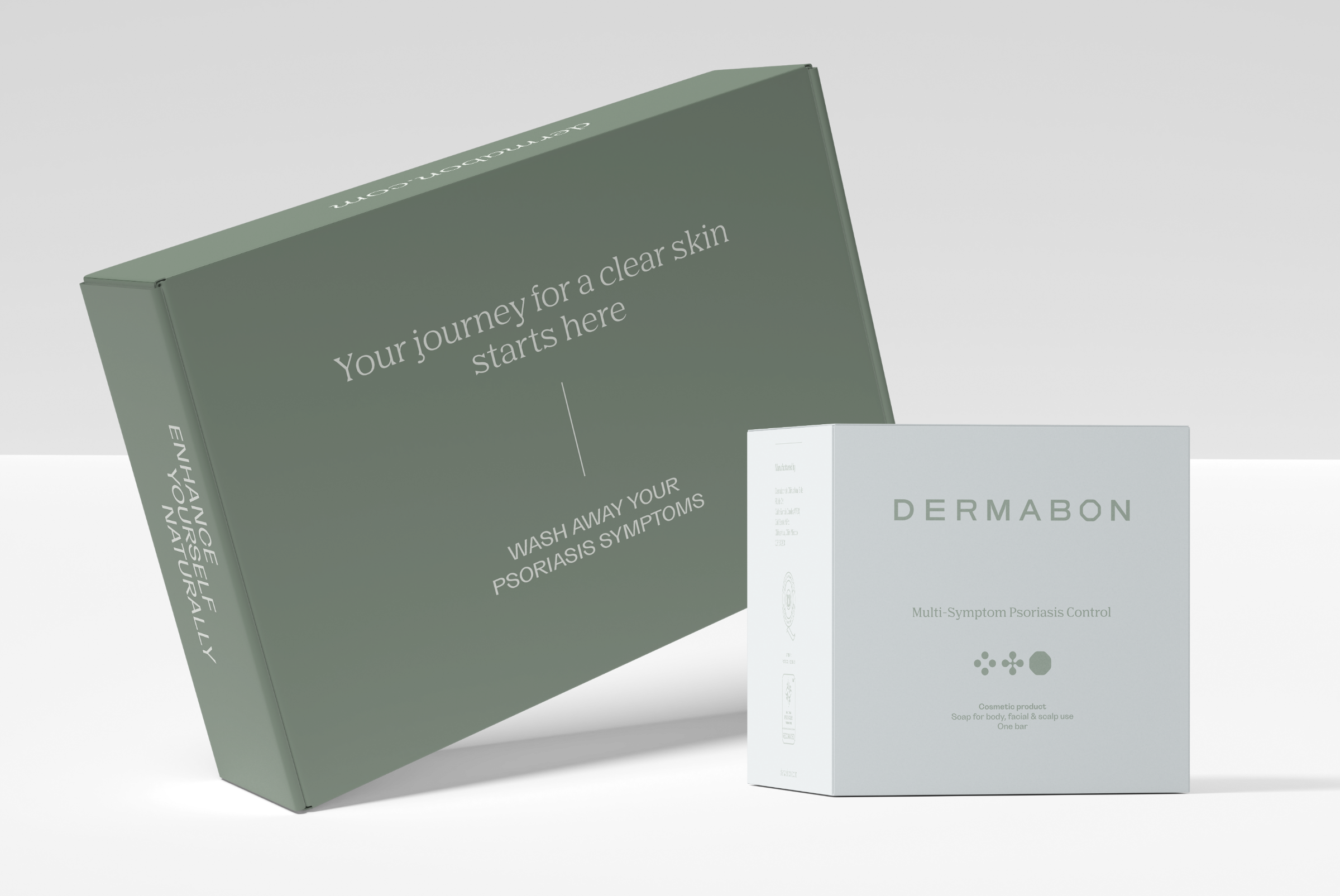
The strategy: Use your Dermabon bar to gently wash away the sweat and environmental pollutants. The 0.9% coal tar formulation in Dermabon acts as a keratolytic agent, softening the plaques while naturally soothing the nerve endings that cause sweat-induced itching. Remember the golden rule: apply the rich lather to your plaques and let it sit for 3 to 5 minutes before rinsing with lukewarm water.
5. Lock in Moisture with the Right Hydration
Spring air may be more humid than winter air, but sun exposure and frequent showering can still dehydrate your compromised skin barrier.
The strategy: Within three minutes of stepping out of the shower and gently patting your skin dry, apply a generous layer of a fragrance-free, ceramide-rich moisturizer. This traps the water inside your skin and seals in the healing properties of your Dermabon treatment, protecting your plaques from environmental friction throughout the day.
Frequently Asked Questions
As patients prepare for spring vacations and pool days, I frequently get asked these two critical questions:
Does pool chlorine make my psoriasis worse?
Chlorine is a harsh chemical designed to kill bacteria, which means it can be incredibly drying and irritating to psoriatic skin. However, swimming is great exercise and stress relief. To protect your skin, apply a thin layer of a petroleum-based ointment (like Vaseline) over your plaques before entering the pool; this creates a waterproof barrier against the chlorine. As soon as you get out of the pool, rinse off immediately with fresh water and wash with Dermabon to remove any residual chemicals.
Can I apply sunscreen directly on my psoriasis plaques?
Yes, and you absolutely must! While 15 minutes of unprotected sun is therapeutic, anything beyond that requires protection. Sunburns are the ultimate enemy of psoriasis. Choose a mineral-based sunscreen (containing Zinc Oxide or Titanium Dioxide) rather than chemical sunscreens. Mineral sunscreens sit on top of the skin to reflect UV rays and are much less likely to cause burning or stinging when applied directly to active plaques.
Conclusion
Spring should be a season of renewal, not a season of anxiety. You do not have to spend the warmer months hiding under long sleeves and heavy pants while everyone else is enjoying the sunshine.
By adjusting your routine—embracing short, therapeutic sun exposure, wearing breathable fabrics, washing away sweat promptly, and relying on a proven treatment—you can take control of your skin’s health. Proper spring psoriasis sun care is all about balance and prevention.
Let the warm breeze hit your skin. Let the sun do its healing work. With the right habits and the right treatment, you can step outside with confidence this season.