Learn how others manage their Psoriasis.
Get tips for diet, exercise, and managing stress
Winter and Dry Skin: How to Adjust Your Dermabon Routine When It’s Cold
By Ana Cristina Vazquez Martinez
Feb/17/2026
Reading time: 6 minutes
As the days get shorter and the temperature drops, I see a predictable pattern in my clinic. Patients who had their skin under control during the summer suddenly walk in with flare-ups, intense itching, and cracked skin.
If you feel like your skin is “tight” or that your winter psoriasis care routine isn’t working as well as it did in July, don’t panic. It is not that your treatment has stopped working; it is that the environment has changed the rules of the game.
Winter is the perfect storm for atopic skin. The combination of low temperatures outside and artificial heating inside creates a moisture-sucking environment that tests your skin barrier.
As a Dermatologist specializing in seasonal skin changes, I’m here to tell you that you don’t need to suffer until spring. With a few strategic adjustments to your Dermabon routine, you can keep your skin comfortable and hydrated, even when it’s freezing outside.
Why Winter is the Enemy of Atopic Skin
To understand dry skin in cold weather, we need to talk about humidity. Healthy skin needs a humidity level of around 50% to maintain its water balance naturally.
In winter, two things happen:
- Cold air holds less moisture: The air outside is naturally drier.
- Central heating: This is the silent killer of hydration. When you crank up the heater, you are effectively baking the moisture out of the air in your home, often dropping humidity levels to below 20% (drier than the Sahara Desert!).
For someone with psoriasis or eczema, whose skin barrier is already compromised, this is disastrous. The water in your skin cells evaporates rapidly (Transepidermal Water Loss), leading to the “winter itch.” This is why your winter psoriasis care plan must be defensive, focusing on trapping moisture before it escapes.
The Hot Shower Mistake: It Feels Good, But It Does Harm
There is nothing more tempting than stepping into a steaming hot shower after walking in from the freezing cold. It feels like it warms your bones. However, for your skin, this is thermal shock.
Hot showers cause skin damage in two ways:
- Stripping Lipids: Hot water melts away the natural oils (sebum) that protect your skin much faster than lukewarm water. It’s like washing a greasy pan; cold water doesn’t remove the grease, but hot water strips it clean. You need that grease to protect your plaques.
- Vasodilation: Heat causes your blood vessels to dilate rapidly, which can trigger inflammation and itching the moment you step out of the shower.
The Fix:
Keep your showers lukewarm (body temperature) and short. Limit them to 5-10 minutes. Use your Dermabon bar gently, let it act for the necessary minutes, and rinse with cool water to soothe the skin before exiting.
The 3-Minute Rule: When to Apply Moisturizer After Using Dermabon
This is the most critical advice I give for an effective eczema hydration routine. Timing is everything.
Many patients dry themselves completely, wait 20 minutes, get dressed, and then remember to apply lotion. By then, it’s too late. The water your skin absorbed during the shower has already evaporated.
The Golden Rule: You have a 3-minute window after stepping out of the shower to lock in moisture.
- Pat Dry: Do not rub. Leave your skin slightly damp.
- Apply Immediately: Apply your winter moisturizer or emollient cream within 3 minutes of turning off the water.
- Seal it in: The cream mixes with the surface water and the oils from the Dermabon treatment, creating a seal that prevents evaporation.
If you miss this window, you are just putting grease on top of dry skin, which is far less effective.
Thermal Clothing: Beware of Synthetic Wools That Itch
Winter fashion can be a trigger. We bundle up to stay warm, but the fabrics we choose matter immensely for winter psoriasis care.
- Wool: It is warm, but its fibers are coarse and jagged on a microscopic level. Direct contact with psoriatic plaques or eczema can cause mechanical irritation and severe itching.
- Synthetics (Polyester/Acrylic): These do not breathe well. They trap sweat against the skin, creating a breeding ground for bacteria and irritation.
The Strategy:
Layering is your friend. Always wear a base layer of 100% cotton or bamboo directly against your skin. These fabrics are soft and breathable. You can wear your wool sweater or heavy coat over this protective layer. This way, you get the warmth without the scratch.
Humidifiers at Home: An Invisible Ally
You can put all the cream in the world on your body, but if the air in your bedroom is bone-dry, you are fighting a losing battle.
Investing in a cool-mist humidifier is a game-changer for combating dry skin in cold weather. Running a humidifier in your bedroom while you sleep helps maintain the ambient humidity between 40% and 60%.
This prevents your skin from drying out overnight (when we lose the most water) and helps your respiratory tract stay healthy, too. It is a passive treatment that works for you while you rest.
Frequently Asked Questions
Should I use a thicker cream in winter?
Yes. In summer, a light lotion might be enough, but for a winter eczema hydration routine, you should switch to a cream or an ointment (something that comes in a jar or tub, not a pump bottle). The thicker the product, the higher the oil content, which provides a better barrier against the cold.
Does Dermabon dry out the skin more in winter?
Dermabon is a treatment, not a moisturizer. Because it helps shed dead skin cells, it’s vital to pair it with a good winter moisturizer. The bar itself doesn’t change, but your skin’s need for hydration increases.
Why does my skin itch more when I come inside from the cold?
This is due to the rapid change in temperature. The blood rushes back to the skin’s surface (vasodilation) as you warm up, which releases histamine and triggers itching. Try to warm up gradually rather than sitting directly in front of a heater.
Can I skip showering to avoid drying my skin?
It is not recommended to skip washing if you are treating active plaques, as you need to remove the buildup and apply the medication (Dermabon). Instead, shorten the shower time and use cooler water. Consistency is key to winter psoriasis care.
Conclusion
Winter doesn’t have to be a season of suffering. By understanding how the cold affects your skin barrier, you can adapt.
Stick to your Dermabon treatment to manage the plaques and inflammation, but support it with these lifestyle changes: lower the water temperature, moisturize within 3 minutes, dress in skin-friendly layers, and humidify your environment.
Don’t let the cold stop you. With the right care, your skin can remain calm and comfortable all year round.
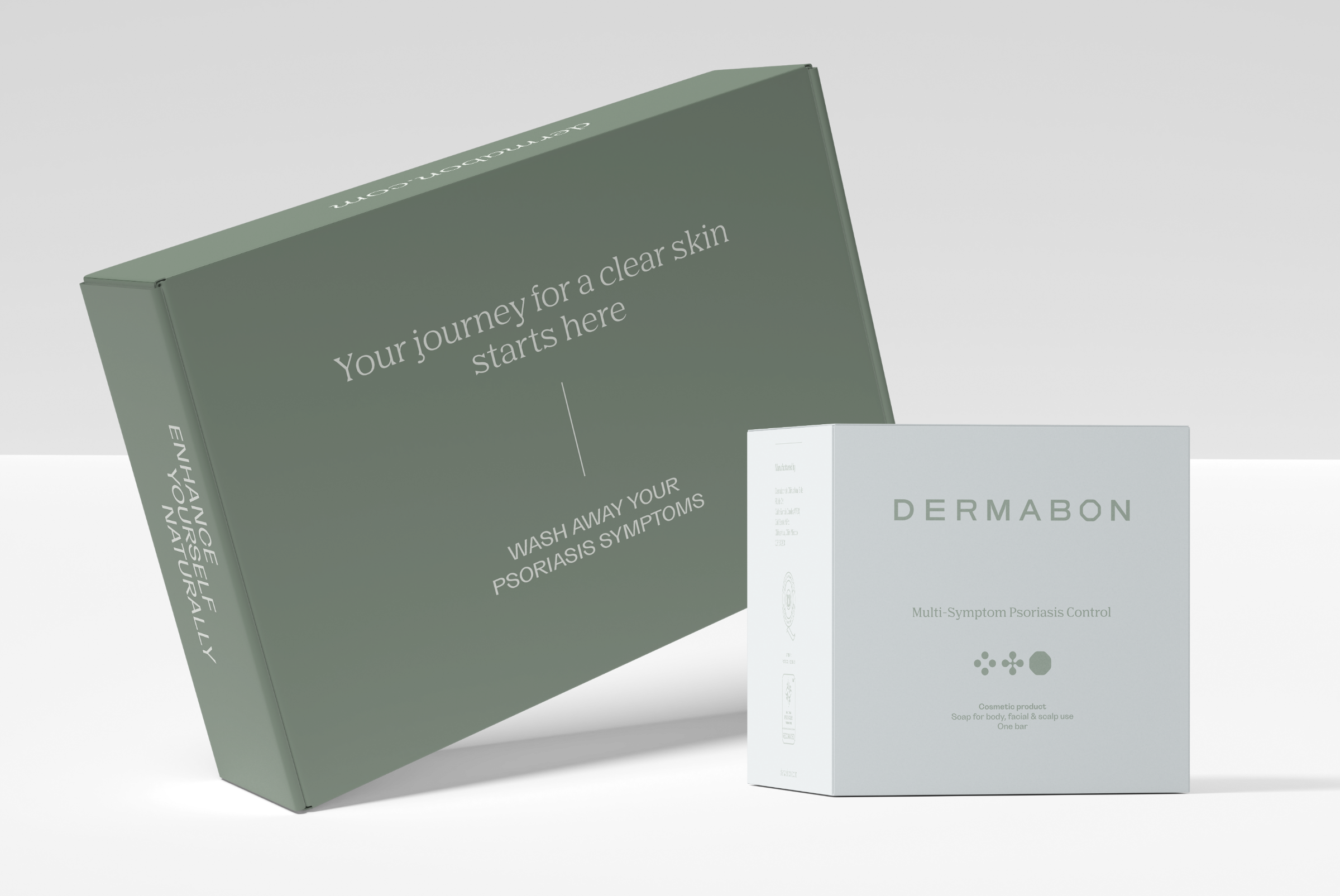
If you want to ensure you have everything you need for the season, check out our Dermabon Winter Pack and stay protected.
For more tips on managing your skin in extreme temperatures, I recommend reading the National Psoriasis Foundation’s guide on cold weather triggers.